
Rodents do not just feel unpleasant to share a home with. They can quietly cause expensive damage to wiring, insulation, stored goods, and even structural timbers. rodent removal Sydney services exist to stop that damage early by removing the animals and closing off how they get in.
This revisited guide explains what rodents typically do in Sydney homes, what to do first, and how a proper removal plan prevents repeat infestations.
What makes rodents such a costly problem in Sydney homes?
Rodents cost money because they damage what people cannot easily see. They chew electrical cables, tear insulation for nesting, and contaminate pantries with urine and droppings.
In Sydney, the risk often increases around older roof spaces, subfloors, and homes near hospitality strips, parks, or waterways. When conditions suit, rodents can breed quickly, which turns a small issue into repeated repairs.
Which rodents are most common around Sydney properties?
The most common culprits are roof rats, Norway rats, and house mice. Each behaves differently, which affects how an infestation should be handled.
Roof rats tend to climb and nest high, often in ceilings, wall cavities, and garages with stored items. Norway rats usually travel lower, including under floors, around bins, and in gardens. Mice can squeeze through very small gaps and may nest behind appliances or inside cupboards.
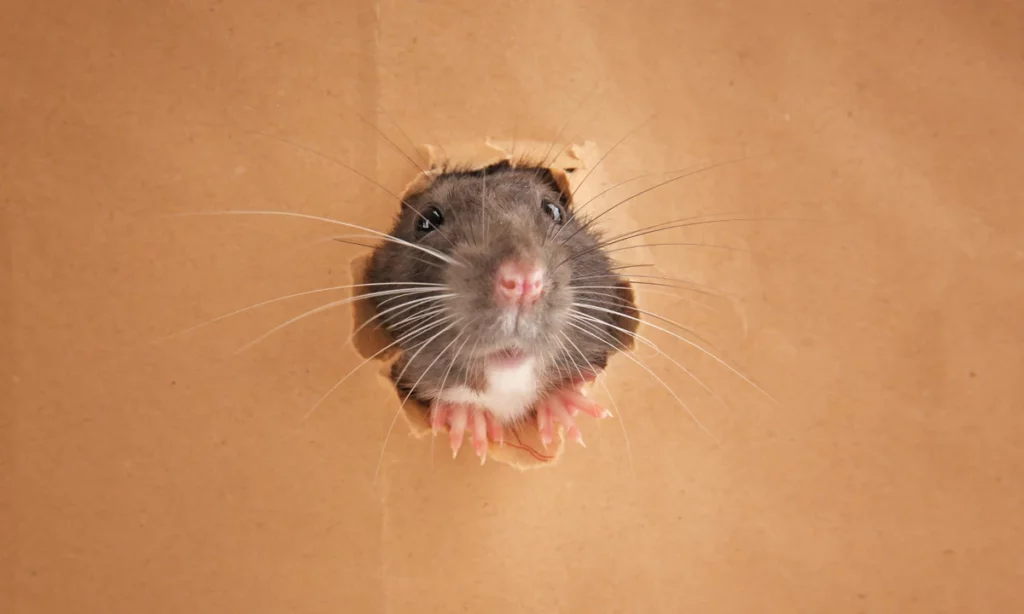
What are the first signs that rodents are inside?
The earliest signs are usually sound, droppings, and fresh gnaw marks. Scratching at night in walls or ceilings is common, especially during quiet hours.
They may also leave greasy rub marks along skirting boards, shredded materials in roof voids, or a sharp ammonia smell in enclosed spaces. If a resident sees droppings near food prep areas, it is often time to treat it as urgent rather than wait and see.
Why is DIY control often not enough?
DIY methods can reduce activity, but they often miss the entry points and nesting zones. That means the problem returns, sometimes within weeks, because the colony is not fully removed.
Misplaced baits, incorrect trap choice, and poor hygiene during clean-up can also create extra risks for pets, children, and residents. A proper rodent removal Sydney approach usually focuses on inspection, targeted removal, and exclusion, not just killing a few animals.
How does a professional rodent removal process work?
A professional service generally starts with a detailed inspection, then designs a plan around the species, pressure level, and layout of the home. The goal is to remove rodents efficiently and prevent re-entry.
A typical rodent removal Sydney programme includes trap placement or baiting where appropriate, monitoring, and then sealing access points once activity drops. Many providers also advise on waste storage, garden hygiene, and storage practices so the home is less attractive going forward.
Where do rodents usually enter Sydney homes?
Rodents often enter through small gaps that look harmless. Common entry points include weep holes, cracked vents, gaps under doors, broken tiles, loose eaves, and openings around pipes or air-conditioning lines.
In terraces and semi-detached homes, they may also travel through shared rooflines or wall cavities. A thorough inspection for rodent removal Sydney typically includes the roof exterior, subfloor edges, garage corners, and any point where different building materials meet.
How quickly can rodents damage wiring, insulation, and interiors?
Damage can start almost immediately once rodents settle in. They chew to keep their teeth worn down, and wiring insulation is a frequent target.
A single nest in a roof space can lead to torn insulation, contaminated ceiling voids, and odour that spreads into living areas. That is why rodent removal Sydney is often treated as a property protection measure, not simply a pest issue. Checkout more strategies to control rodents.
What should residents do first before booking a service?
They should reduce access to food and water and avoid disturbing nesting areas. Simple steps include sealing pantry items into hard containers, cleaning up crumbs, securing pet food, and keeping bins closed.
They should also avoid handling droppings when dry, as that can spread particles into the air. If cleaning is necessary, they should ventilate the area, wear gloves and a mask, and use damp wiping methods rather than sweeping.
How are rodents removed safely in homes with children and pets?
Safe removal depends on careful placement and product choice, plus clear communication. Many households prefer enclosed traps, tamper-resistant bait stations, and a plan that keeps devices away from curious hands and paws.
A reputable provider will explain where control points are placed and what residents should not touch. For households seeking rodent removal Sydney with minimal risk, it is reasonable to ask how stations are secured and what follow-up monitoring is included.
How important is sealing and proofing after removal?
It is essential, because removal without proofing often becomes a cycle. Rodents will return to a known food source if entry points remain open.
Proofing usually includes sealing gaps, fitting door sweeps, repairing vents, and screening roof or subfloor openings. A quality rodent removal Sydney plan will time proofing carefully, so rodents are not trapped inside the building after access is closed.
What health risks are associated with rodent activity?
Rodent droppings and urine can contaminate surfaces and stored items, especially in kitchens, pantries, and garages. They can also bring parasites, such as fleas and mites, into living spaces.
Health risks vary by exposure, but any infestation should be treated as a hygiene issue. For properties with vulnerable residents, prompt rodent removal Sydney support can reduce the time contaminants remain in the home.
How can homeowners prevent rodents long term in Sydney?
Long-term prevention is about removing shelter, food, and access. The most reliable routine is regular property checks, good storage, and keeping outdoor areas tidy.
They can reduce harbourage by clearing dense ground cover near walls, storing items off the ground in garages, and keeping compost and bins well managed. Booking periodic inspections with a rodent removal Sydney provider can also help catch entry points before they become a full infestation.
When should a resident treat it as urgent?
It is urgent when there are daytime sightings, heavy droppings, strong odours, or sounds in multiple areas. It is also urgent if there is evidence of chewing near electrical systems or if a business must meet hygiene standards.
If activity increases quickly, that can indicate breeding. In those cases, rodent removal Sydney is usually more effective when started immediately, before rodents spread deeper into wall cavities and roof spaces.
What questions should they ask when choosing a rodent removal service in Sydney?
They should ask how the provider identifies the species, what the removal method is, and what proofing is included. They should also confirm whether follow-up visits are part of the service, because monitoring often determines success.
It is also worth asking for a clear plan for roof voids, subfloors, and shared walls, which are common in Sydney housing. A good rodent removal Sydney provider should be able to explain where rodents are likely travelling and how re-entry will be blocked.

What does a sensible next step look like?
A sensible next step is an inspection that confirms where rodents are active and how they are entering. From there, removal and proofing can be scheduled in a logical order, with monitoring to confirm the home is clear.
When rodents are handled early, repairs are usually smaller and the stress is lower. rodent removal Sydney is ultimately about protecting the home’s wiring, insulation, stored goods, and livability before damage becomes genuinely costly.
FAQs (Frequently Asked Questions)
What makes rodents such a costly problem in Sydney homes?
Rodents cause significant damage by chewing electrical cables, tearing insulation for nesting, and contaminating pantries with urine and droppings. In Sydney, older roof spaces, subfloors, and homes near hospitality strips, parks, or waterways are particularly vulnerable. Their rapid breeding can quickly escalate a small issue into repeated costly repairs.
Which rodent species are most common around Sydney properties?
The most common rodents in Sydney are roof rats, Norway rats, and house mice. Roof rats typically nest high in ceilings, wall cavities, and garages; Norway rats frequent lower areas like under floors and gardens; mice can squeeze through very small gaps to nest behind appliances or inside cupboards.
What are the first signs that rodents have infested a Sydney home?
Early signs include scratching noises at night in walls or ceilings, droppings near food preparation areas, fresh gnaw marks on surfaces, greasy rub marks along skirting boards, shredded materials in roof voids, and a sharp ammonia smell in enclosed spaces. Spotting these early is crucial for urgent action.
Why is professional rodent removal in Sydney preferred over DIY methods?
DIY control often misses entry points and nesting zones leading to repeat infestations. Misplaced baits and incorrect traps pose risks to pets and children. Professional rodent removal services perform thorough inspections, targeted removals, exclusion of access points, and provide advice on hygiene to prevent re-infestation effectively.
How does a professional rodent removal process work in Sydney homes?
Professionals begin with a detailed inspection to identify species and infestation levels. They design a tailored plan involving trap placement or baiting where appropriate, continuous monitoring, and sealing of access points once activity decreases. They also advise on waste storage and garden hygiene to make homes less attractive to rodents.
Where do rodents commonly enter homes in Sydney?
Rodents enter through small gaps such as weep holes, cracked vents, gaps under doors, broken tiles, loose eaves, and openings around pipes or air-conditioning lines. In attached homes like terraces or semi-detached houses, they may travel through shared rooflines or wall cavities. Comprehensive inspections target these vulnerable entry points.
Related : Is Rat Control in Sydney Worth It? Here’s What You Should Know
Leave a Reply